Daffodil and Butterfly Single Line: A Business Review
As an embroidery designer who specializes in commercial branding and merchandise production, I approach every new machine embroidery design with a critical eye toward functionality. When evaluating the Daffodil and Butterfly Single Line for small business applications, my primary concern is not just aesthetic beauty, but how the digitizing translates to real-world production on branded goods. This review analyzes this specific minimalist floral motif through the lens of a professional decorator creating assets for cafes, boutiques, florists, and handmade brands.
First Impressions: Elegance Meets Commercial Viability
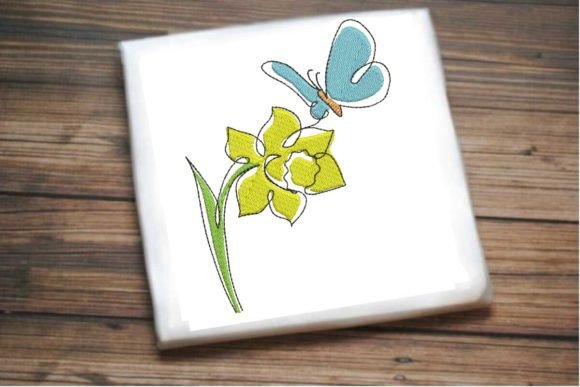
Upon loading the embroidery file, the immediate impression of the Daffodil and Butterfly Single Line is one of refined minimalism. In the world of brand identity, less is often more. Complex, dense designs can look cluttered when scaled down for chest logos or sleeve accents. This design, categorized under Single Flowers, utilizes a continuous line art style that feels modern yet organic. For a business owner, this visual personality suggests a brand that is artisanal, thoughtful, and premium without being stuffy.
The elegance mentioned in the product description holds up under scrutiny. The interplay between the jonquille flower and the butterfly creates a balanced composition that avoids looking too juvenile. This maturity in design makes it suitable for adult-oriented small business merch rather than just children's wear. It strikes a difficult balance: it is decorative enough to be noticed but simple enough to serve as a supporting element alongside typography or other logo marks.
Performance Across Branded Merchandise Categories
When integrating this design into a commercial workflow, versatility is key. Here is how the Daffodil and Butterfly Single Line performs across various custom apparel and accessory categories:
- Apron Embroidery: For bakeries and florists, aprons are high-wear items. The single-line nature of this design means fewer needle penetrations, which preserves the integrity of canvas or denim fabrics. It sits flat against the fabric, reducing the risk of snagging during work shifts.
- Tote Bag Design: Canvas totes require designs that do not distort the bag’s structure. Because this is a minimalist embroidery piece, it avoids the "bulletproof" stiffness associated with high-density fills. The result is a handmade product feel that maintains the drape and utility of the bag.
- Cap Embroidery: Caps present unique challenges due to curvature. The open spacing in this daffodil motif allows it to conform to structured caps better than solid-fill florals. However, placement must be centered carefully to avoid distortion near the seams.
- Embroidered Patch Production: If you intend to turn this into a standalone patch, the clean lines provide an excellent guide for merrowing or satin stitch borders. The internal detail is sufficient to remain recognizable even at smaller diameters, making it ideal for uniform sleeves or backpacks.
Critical Considerations for Production Environments
While the Daffodil and Butterfly Single Line is versatile, professional decorators must exercise caution in specific scenarios. Minimalist line art exposes registration errors more readily than filled designs. There is nowhere for mistakes to hide.
Fabric Texture and Stabilizer Selection
The success of this digital embroidery file relies heavily on your choice of stabilizer. On textured fabrics like linen or heavy knit, the single line may get lost or appear uneven. I recommend using a tear-away stabilizer for crisp definition on woven fabrics, or a cut-away for stretchy knits to prevent puckering. Always test on the actual fabric texture intended for the final run; what works on cotton twill may fail on performance polyester.
Sizing and Detail Retention
Although described as perfect for crafts and decor, business users must verify minimum sizing. Reducing a single-line design too aggressively can cause the butterfly details to merge with the flower stem. Before committing to bulk production, measure the smallest legible size on your target garment. If the design includes tiny lettering or intricate petal veins, ensure they remain distinct at your desired scale. This is crucial for maintaining professionalism on staff uniforms where clarity equals competence.
Thread Color Contrast
Single line designs depend entirely on contrast. A pale yellow thread on a cream apron will disappear. For commercial embroidery, select thread colors that offer high visibility against the base material. Dark uniforms may require a lighter variegated thread to capture both the daffodil and butterfly nuances without changing colors, which saves production time.
Impact on Brand Perception and Customer Trust
Why choose this specific motif over generic clip art? The answer lies in perceived value. Customers associate precise, elegant embroidery with attention to detail. When a boutique uses the Daffodil and Butterfly Single Line on packaging or tags, it signals that the business cares about aesthetics at every touchpoint.
This design enhances visual consistency across different media. Its simplicity allows it to match printed stationery, web graphics, and physical products seamlessly. For Etsy sellers and creative studios, this cohesion builds trust. Buyers recognize the effort put into curating a cohesive look. Furthermore, because the design is understated, it does not compete with your primary text logo. Instead, it acts as a sophisticated accent that elevates the overall presentation of your design assets.
Professional Designer Notes for Implementation
To ensure the best results when deploying this embroidery file for business use, follow these technical protocols:
- Verify Licensing: Before selling any item featuring this design, confirm the commercial licensing terms included with your instant download. Ensure you have the right to use it on merchandise for sale versus personal use only.
- Create a Printable Mockup: Never assume a client understands how embroidery looks based on a digital image. Generate a realistic printable mockup showing the design on the actual garment type. This manages expectations regarding size and placement.
- Test Stitch-Out: Always run a physical sample. Check the tension specifically at the curves where the butterfly wings meet the flower. Adjust pull compensation if gaps appear.
- Hoop Size Confirmation: Select the smallest hoop size that comfortably fits the design. Excess space in the hoop increases the chance of fabric shifting, which ruins the precision required for single-line art.
- Wash Testing: If producing staff uniforms or aprons, wash and dry the test sample three times. Single lines can sometimes unravel or pucker after repeated laundering if not properly secured or stabilized.
- Compare Against Existing Assets: Place this design next to your current logo and font choices. Ensure the stroke weight of the embroidery visually matches your print branding for maximum impact.
The Daffodil and Butterfly Single Line represents a strong contender for businesses seeking a blend of natural elegance and production efficiency. By respecting the technical requirements of minimalist digitizing and applying strategic placement, this design can transform standard merchandise into a powerful extension of your brand identity. Whether used as a subtle tag on a handmade candle or a bold statement on a florist’s apron, its success depends on treating it as a professional tool rather than mere decoration. Always prioritize testing and quality control to ensure your finished product reflects the excellence your customers expect.