Chrysanthemum Single Line Flower: A Designer Review
As an embroidery designer who has stitched out thousands of files for both personal enjoyment and commercial client work, I approach every new machine embroidery design with a critical eye. When evaluating the Chrysanthemum Single Line Flower, my first impression is one of sophisticated restraint. In a market often saturated with overly dense, complex florals, this minimalist aesthetic stands out. It captures the intricate petal structure of a chrysanthemum without the heavy stitch count that can distort lightweight fabrics or prolong production time. For makers and small business owners, this balance between visual elegance and practical application is exactly what makes a digital asset valuable.
First Impressions and Visual Personality
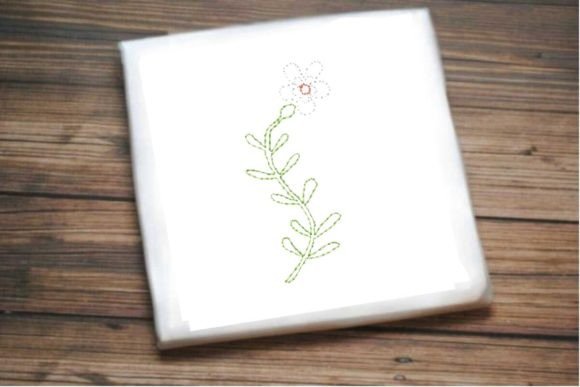
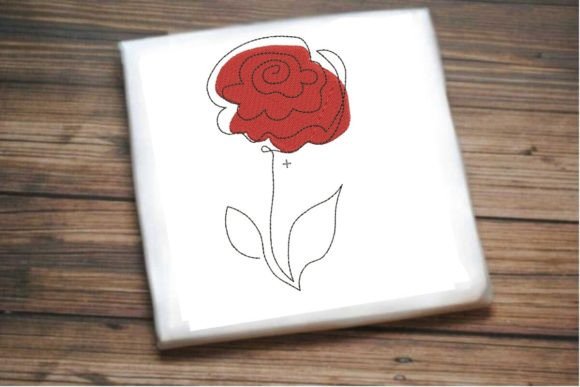
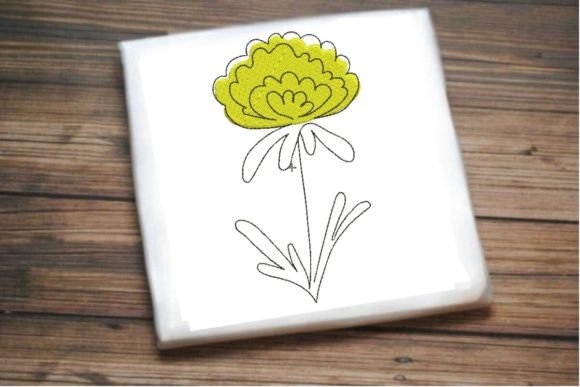
The mood of this design is undeniably modern yet timeless. Single line art relies entirely on confidence; there is nowhere to hide mistakes in the digitizing. This Chrysanthemum Single Line Flower succeeds because the flow of the running stitch mimics the organic movement of a pen drawing rather than a rigid mechanical path. The shape feels airy and botanical, making it versatile enough for contemporary home decor or vintage-inspired apparel. Unlike traditional fill stitch or heavy satin stitch flowers that dominate a garment, this design acts as a delicate accent. It possesses a visual personality that suggests craftsmanship and intentionality, which is crucial when you are trying to elevate a handmade product above mass-produced alternatives.
Real-World Application: The Linen Tote Test
To truly understand how this embroidery file performs, I mentally placed it in a recent project scenario: creating a line of premium linen tote bags for a boutique client. The goal was a tote bag design that felt high-end but remained soft to the touch. Heavy designs often cause linen to pucker or create a stiff "bulletproof" patch effect that ruins the drape of the bag.
In this context, the Chrysanthemum Single Line Flower is ideal. Because it utilizes minimal thread, it preserves the natural texture of the linen. During the stitching process, the single line approach significantly reduces run time compared to traditional florals, allowing for faster turnaround on bulk orders. For an Etsy seller or craft business, this efficiency directly impacts profit margins. Furthermore, the open nature of the design means the fabric color shows through the petals, integrating the embroidery into the item rather than sitting on top of it like a sticker. This integration is what customers perceive as quality when they receive a personalized gift or purchase a small shop product.
Versatility Across Products and Fabrics
Beyond tote bags, this design translates exceptionally well to various substrates. I see immediate potential for sweatshirt embroidery, particularly on French terry or lightweight cotton blends where heavy stabilizers are undesirable. The low profile of the single line prevents the design from feeling scratchy against the skin, a common complaint with dense floral patches. It is also a strong candidate for baby embroidery on onesies or bibs, provided the placement avoids direct skin contact areas, as the simplicity ensures no rough backing irritates sensitive skin.
For home decor, this motif works beautifully on tea towels, pillow covers, and napkins. Its elegant silhouette fits seamlessly into wedding gifts or holiday embroidery projects where a subtle floral touch is preferred over loud seasonal graphics. As a digital embroidery file, its scalability is generally superior to complex filled designs; single lines tend to resize more cleanly because there are no fill patterns to distort when adjusting for different hoop size requirements.
Technical Considerations and Fabric Limitations
While versatile, the Chrysanthemum Single Line Flower requires thoughtful execution. Minimalist designs expose the fabric's behavior more than dense designs do. Here are specific technical considerations based on professional experience:
- Stretchy Fabrics: On knits or performance wear, a single continuous line can pull if the tension isn't perfect. Always use appropriate stabilizer—a cutaway is usually safer than tear-away for stretchy garments to prevent the line from wavering after washing.
- Textured Surfaces: Avoid using this on high-pile fabrics like terry cloth or fleece unless you use a water-soluble topping. The thin line can easily get lost in the fabric texture, reducing visibility and impact.
- Dark Fabrics: Contrast is non-negotiable. A white or metallic thread on black fabric creates stunning definition, but tone-on-tone stitching may disappear. Test thread colors rigorously before committing to a final finished product.
- Curved Surfaces: If adapting this for caps or curved sleeves, ensure the design doesn't have wide horizontal spans that might gap when wrapped around a curve. Hooping technique becomes even more critical here.
- Frequent Washing: While running stitches are generally durable, verify the tie-ins and tie-offs in the file. Single lines have fewer anchor points than satin columns, so proper securing at the start and end of color blocks is vital for items like kitchen towels or baby clothes.
Impact on Brand Value and Customer Perception
Using refined designs like this Chrysanthemum Single Line Flower signals professionalism. In the competitive space of commercial embroidery and online marketplaces, buyers are increasingly drawn to clean, artistic aesthetics. This design avoids the "clip-art" look that can devalue handmade goods. When featured in a printable mockup or product photography, the negative space around the flower allows for better composition and readability. It leaves room for monograms or custom text without cluttering the layout, making it a flexible asset for custom apparel and personalized branding.
Trust is built through consistency and quality. A design that stitches out cleanly every time, without excessive trims or registration issues, reinforces your reputation as a skilled maker. Whether you are selling the physical embroidered item or the design assets themselves, the integrity of the digitizing matters. This single line style appeals to customers looking for understated luxury, distinguishing your offerings from generic fast-fashion embroidery.
Essential Pre-Stitch Checklist for Makers
Before loading this embroidery project onto your machine for a paid order or final gift, adhere to these professional best practices:
- Verify Specifications: Since exact stitch counts, dimensions, and format compatibility vary by vendor, always check the product details page first. Ensure the size fits your intended hoop and the file format matches your machine.
- Test Stitch: Never skip testing on scrap fabric that matches your final project’s weight and weave. Observe how the line handles corners and curves.
- Check Licensing: If you plan to sell finished items featuring this Chrysanthemum Single Line Flower, confirm the license terms. Understand whether it permits commercial use on physical products or if it is restricted to personal use only.
- Mockup Validation: Create black and white mockups to assess value contrast independent of color. This helps identify if the design holds up visually before you thread a needle.
- Stabilizer Match: Select your stabilizer based on the specific fabric, not just the design type. Lightweight fabrics need different support than denim, even for the same single line file.
Ultimately, the Chrysanthemum Single Line Flower is a testament to the power of less-is-more in machine embroidery. It offers a refreshing alternative to heavy florals, providing speed, elegance, and adaptability for the modern maker. By understanding its technical nuances and applying it to the right projects, you can create finished pieces that resonate with customers seeking authentic, thoughtfully designed textile art. Whether for a boutique collection or a cherished personal gift, this design delivers beauty through precision and simplicity.