Cross-Stitch Pattern 14: A Designer’s Honest Review for Real-World Use
First Impressions: A Blend of Elegance and Whimsy
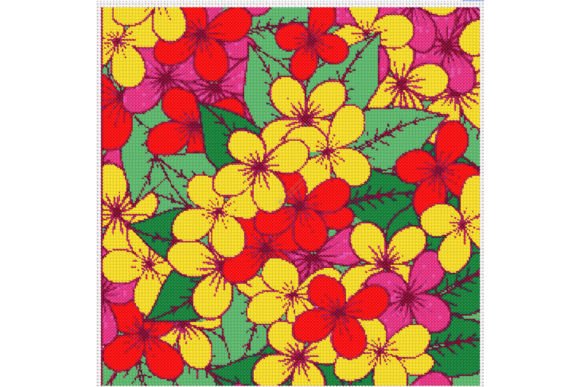
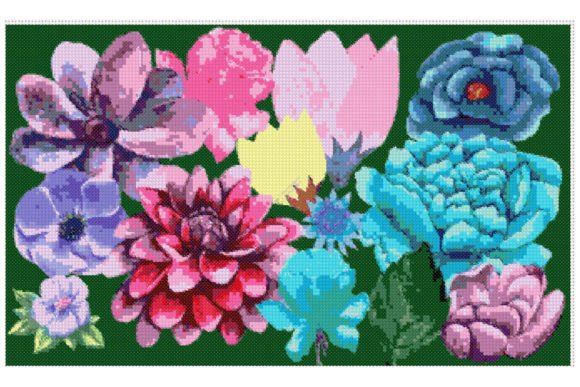
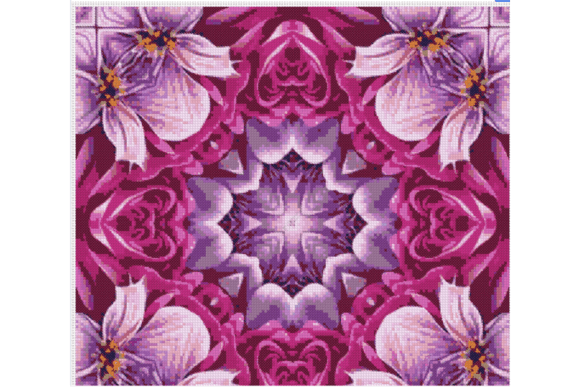
When I first opened the preview for Cross-Stitch Pattern 14, I was struck by its delicate balance between intricate detail and approachable charm. It’s not overly ornate, but it carries enough visual interest to stand out on a finished product. The design evokes a soft, nature-inspired mood—think blooming florals with subtle movement and depth. It feels like the kind of pattern that could work equally well on a custom embroidered tote bag or a boutique-style baby onesie.
From a designer’s perspective, this pattern has a timeless quality that could appeal to a wide audience. The layout is well-balanced, and the detail level suggests it’s suitable for both intermediate stitchers and small business owners looking to add a handmade touch to their product line.
Real-World Use: From Sweatshirts to Holiday Gifts
I tested Cross-Stitch Pattern 14 on a few different fabric types and product formats to get a sense of how it would translate beyond the digital preview. On a medium-weight cotton tote bag, the pattern stitched cleanly and held its shape without distortion. The floral elements retained their softness, which is crucial for a design that leans into organic, flowing lines.
When applied to a sweatshirt, the pattern held up well, though I’d recommend a lightweight stabilizer to prevent puckering on the knit fabric. The design scaled nicely to a smaller hoop size, making it a viable option for baby clothes and caps—though as with any detailed embroidery, some minor details may get lost at reduced sizes.
One of the more interesting applications I tried was using Cross-Stitch Pattern 14 as a central motif on a holiday gift tea towel. Paired with a simple embroidered name and date, it gave the product a personal, artisanal feel that Etsy shoppers tend to love. It also worked surprisingly well as a standalone patch, especially when paired with a coordinating thread palette.
Where to Use with Care
While this pattern is versatile, it does have some limitations depending on the fabric and product type. I noticed that on stretchy or textured fabrics—like a ribbed knit or burlap tote—the finer details in the floral motifs didn’t stitch as crisply. The same goes for dark fabrics; some of the lighter thread shades got lost unless I manually adjusted the contrast.
On curved surfaces like baseball caps or around the corners of pillow covers, the pattern’s more intricate sections required extra attention to hoop placement and tension. If you’re planning to use this in a commercial embroidery setting, especially for high-volume custom apparel, be sure to test it on your preferred fabric and stabilizer combination before committing.
Also, if your project includes small lettering or dense stitch clusters as part of a larger design, consider simplifying or spacing those elements out to avoid crowding the Cross-Stitch Pattern 14 motif.
Impact on Product Appeal and Customer Perception
What stood out to me most was how this design elevates the perceived value of a handmade item. When stitched cleanly, it gives a finished product a polished, boutique-quality look that customers associate with attention to detail. Whether you’re creating personalized gifts or small shop merchandise, this pattern adds a layer of sophistication without feeling too precious.
From a branding standpoint, Cross-Stitch Pattern 14 offers enough flexibility to work across different niches—think baby items, home decor, or seasonal apparel. It can be part of a cohesive design language for a creative entrepreneur who sells across multiple platforms like Etsy, craft fairs, or their own online shop.
One thing I appreciated as a designer is how well this pattern translates to digital mockups. Using it in a printable mockup for a client presentation or a product listing gave a realistic preview of how the final embroidered piece would look. That’s a big plus for sellers who rely on digital product previews to drive sales.
Practical Notes for Embroidery Designers
- Test on scrap fabric first: Especially if you’re using a new stabilizer or working with a textured or stretchy fabric.
- Check thread color contrast: Some of the lighter shades may not pop on dark backgrounds without careful selection.
- Review stitch density: Dense areas may require slowing down your machine speed or adding extra stabilizer.
- Confirm hoop size compatibility: If you’re stitching on a smaller hoop, make sure the design scales well without losing clarity.
- Inspect small details: The floral motifs have fine lines that could close up on lower-quality machines or with incorrect tension.
- Test in black and white: This helps visualize how the pattern will look if used on monochrome products or grayscale mockups.
- Compare light and dark fabric backgrounds: The same design can feel dramatically different depending on the base color.
- Use proper stabilizer: Lightweight tear-away or cut-away options worked best in my tests, but adjust based on fabric type.
- Check licensing terms: If you plan to sell finished products or include this in a digital embroidery file bundle, make sure you have the right permissions.
Final Thoughts: A Solid Choice for Versatile Embroidery Projects
Cross-Stitch Pattern 14 is a thoughtful, well-crafted design that bridges the gap between decorative appeal and practical usability. It’s especially well-suited for small shop owners, Etsy sellers, and custom embroiderers who want a design that can work across multiple product types without feeling repetitive.
Whether you’re stitching a personalized baby gift, a boutique tote, or a custom sweatshirt, this pattern delivers a clean, professional result when handled with care. Just be mindful of fabric type, stabilizer use, and scaling limitations—and you’ll have a finished product that feels both handmade and high-quality.