Floral Cross Stitch Pattern: A Designer’s Review
As an embroidery designer and product reviewer, I approach every new asset with a critical eye toward production viability. When evaluating the Floral Cross Stitch Pattern, my primary focus is not just on its aesthetic charm but on how it translates from a digital graphic into a tangible, stitched reality. This review dissects the design through the lens of a maker preparing for real-world application, specifically considering a recent project involving custom embroidered tote bags for a boutique client. The goal here is to determine if this pattern holds up as a reliable machine embroidery design or applique design foundation for commercial and personal use.
First Impressions and Visual Personality
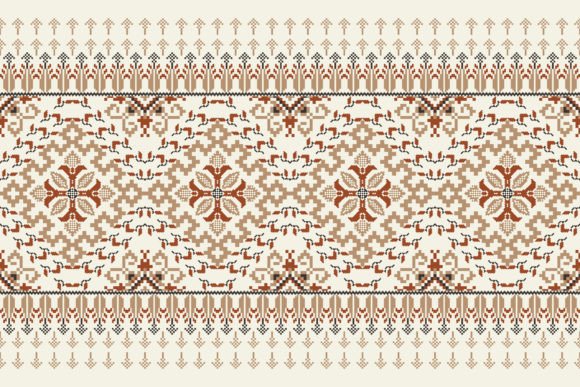
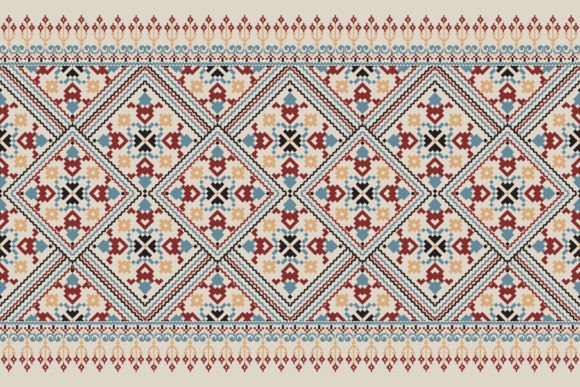
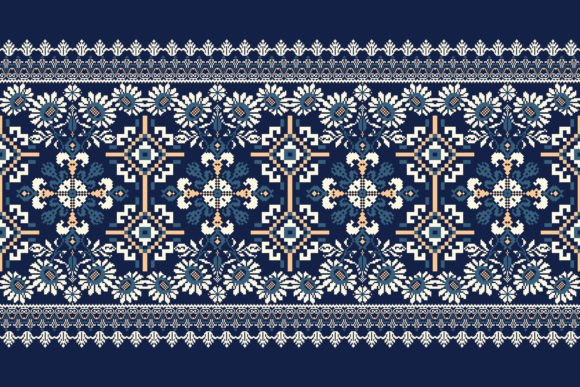
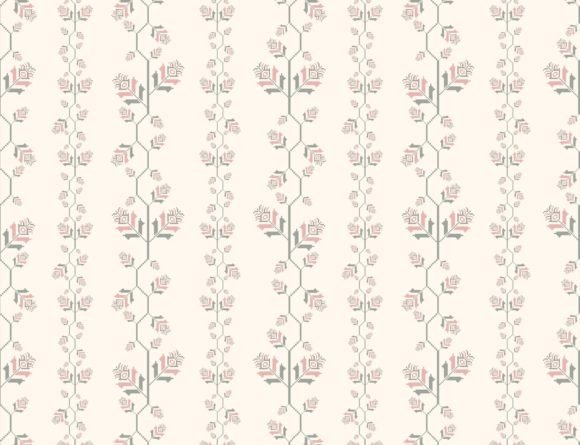
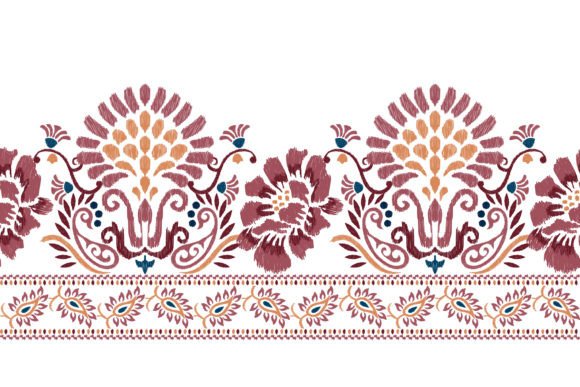
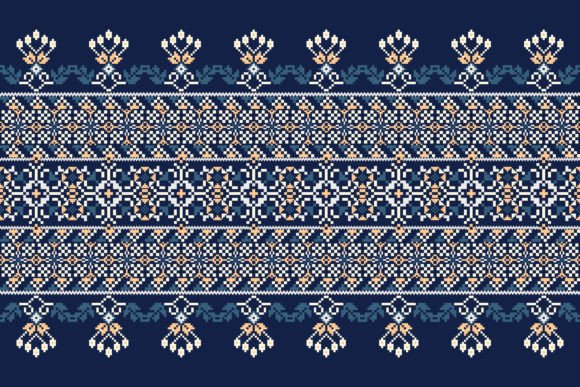
Upon opening the files, which include high-resolution JPG (6000 x 4000 pixels) and EPS formats, the immediate impression is one of classic versatility. The floral motif carries a mood that balances traditional craftsmanship with modern clean lines. For an Etsy seller or craft business owner, this visual personality is crucial. It avoids being overly ornate, which can sometimes lead to stitching issues, yet retains enough detail to feel like a premium handmade product.
The layout suggests a natural flow that would work beautifully as a centerpiece. In my assessment, the shape feels organic rather than rigid, making it an excellent candidate for sweatshirt embroidery or baby embroidery where softness is key. However, because the source material is provided as vector and raster graphics rather than a pre-digitized embroidery file, the success of this pattern relies entirely on your digitizing strategy. The high pixel count of the JPG provides ample reference for tracing and color separation, while the EPS allows for precise scaling without losing edge definition during the digitizing process.
Real-World Application: The Custom Tote Bag Test
To truly evaluate this Floral Cross Stitch Pattern, I mentally applied it to a current commission: a series of canvas tote bags intended for a spring market launch. Tote bags present specific challenges; the fabric is often textured, the surface area is large, and the end product must withstand heavy use and washing.
In this scenario, the pattern’s structure serves as an ideal guide for a hybrid technique. I envision using a running stitch to mimic the cross-stitch aesthetic outlined in the graphic, combined with strategic fill stitch areas to add dimension without excessive density. This approach keeps the tote bag design lightweight and flexible. If you were to use a dense satin stitch across the entire floral area, the canvas might pucker, and the bag could become stiff. The beauty of this specific graphic lies in its adaptability; it allows the digitizer to interpret the "cross stitch" look through machine embroidery techniques that are actually durable for commercial embroidery projects.
For small shop product lines, this design also scales well. While it shines as a large tote motif, reducing the scale for a personalized gift like a kitchen towel or apron requires careful adjustment. The EPS format ensures that when you resize the artwork for digitizing, the curves remain smooth, preventing jagged edges in your final finished product.
Technical Considerations and Fabric Compatibility
While the Floral Cross Stitch Pattern is visually appealing, practical execution requires caution. As a graphic asset, it does not contain inherent stitch data. Therefore, you must verify stitch density and hoop size compatibility during the digitizing phase. Here are specific technical observations based on the design's complexity:
- Textured and Thin Fabrics: If applying this to linen or tea towels, the open nature of the floral design is advantageous. Avoid solid blocks of thread. Use the graphic’s negative space to let the fabric texture breathe, reducing the risk of distortion.
- Stretchy Materials: For custom apparel like t-shirts or sweatshirts, the design’s footprint matters. Large, continuous floral spans can cause tunneling on knits. Break the design into smaller segments or incorporate more running stitches to maintain fabric drape.
- Dark vs. Light Backgrounds: The provided JPG is high resolution, making it easy to test contrast. Before committing to a holiday embroidery run on dark velvet or navy cotton, create a black-and-white mockup. Ensure the floral details read clearly without relying solely on color differentiation.
- Curved Surfaces: If adapting this for caps or curved patches, the flat perspective of the graphic will need warping. The EPS file is essential here, allowing you to reshape the floral elements to accommodate the curve before generating the digital embroidery file.
Enhancing Product Value and Customer Trust
In the competitive landscape of Etsy sellers and creative entrepreneurs, presentation is as important as the stitch-out. The 6000 x 4000 pixel JPG included with this pattern is a significant asset for marketing. High-quality visuals build buyer engagement and trust. You can use this pristine graphic to create professional printable mockups or digital previews for your listings before you even stitch a single sample.
This capability is vital for testing market interest. Does the Floral Cross Stitch Pattern resonate more as a nursery decor item or a bridal accessory? By placing the high-res graphic onto various product templates, you can gauge customer reaction and refine your design assets strategy without wasting thread and stabilizer. Furthermore, consistent use of this cohesive floral theme across different products—from embroidered patches to pillow covers—establishes brand recognition. Customers begin to associate this specific aesthetic with your shop’s quality and style.
Essential Designer Notes for Production Success
Before adding this pattern to your permanent library or launching a new collection, adhere to these professional best practices. Remember, you are working with source graphics, not a finished stitch file, so due diligence is mandatory.
- Verify Licensing: Always confirm the specific license terms associated with this download. Ensure you have the rights to sell finished products or use the graphic for commercial branding. Never assume commercial rights exist without explicit confirmation.
- Test Stitch on Scrap: Because you are likely digitizing this yourself or hiring a digitizer based on this graphic, a test sew-out is non-negotiable. Check thread colors against the actual fabric, not just the screen. Monitor registration marks and ensure the stabilizer choice supports the design weight.
- Inspect Small Details: Floral patterns often contain tiny leaves or stems. In cross stitch, these are charming; in machine embroidery, they can be problematic if too small. During digitizing, simplify elements that fall below 1mm to prevent needle breaks or thread bunching.
- Check Hoop Limitations: Measure the design dimensions in the EPS/JPG against your machine’s maximum hoop size. If the floral arrangement exceeds your field, plan for multi-hooping alignment or redesign the layout to fit seamlessly.
- Mockup Validation: Utilize the high-res JPG to create realistic listing photos. However, always disclose that images are mockups if you haven't photographed the physical stitch-out yet. Transparency maintains integrity with your buyers.
The Floral Cross Stitch Pattern represents a strong foundational asset for makers who understand the bridge between digital graphics and textile art. Its high-resolution files offer flexibility for both personalized gifts and scalable small shop products. By treating this pattern as a blueprint rather than a final destination, and by applying rigorous testing to your digitizing and fabric choices, you can transform this beautiful floral motif into a profitable and professionally executed embroidery line. Whether you are creating holiday embroidery staples or everyday custom apparel, this design provides the aesthetic groundwork necessary for success, provided the technical execution matches the visual promise.