Vintage Glass Bowl Applique: A Designer Review
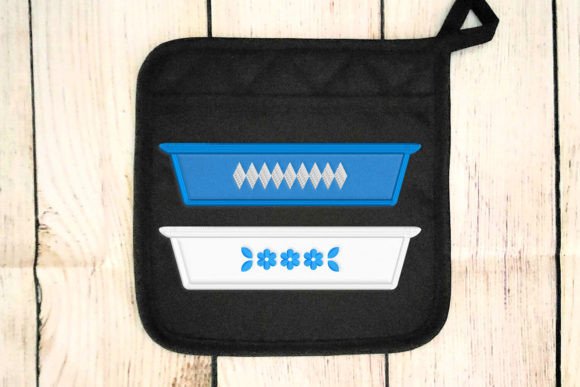
As an embroidery designer preparing for a busy weekend craft fair, I am constantly evaluating which digital assets will translate best into physical sales. When reviewing the Vintage Glass Bowl Bakeware Duo Applique, my immediate assessment is that this design captures a specific, high-demand nostalgia. It feels distinctly retro yet functional, striking a balance between farmhouse charm and mid-century modern aesthetics. For sellers targeting customers who love vintage kitchenware, this machine embroidery design offers immediate visual recognition. The silhouette of a classic glass bowl triggers memories of family gatherings and heirloom baking, making it an emotionally resonant choice for a handmade product lineup.
Evaluating Market Viability for Kitchen Textiles
In a crowded market booth, you have seconds to capture attention. The Vintage Glass Bowl Bakeware Duo Applique succeeds because the shape is iconic. Unlike abstract florals or complex landscapes, a bakeware silhouette reads instantly from a distance. As I plan my table display, I see this design performing exceptionally well on specific craft fair product categories. Tea towels are the obvious first choice; the applique bowl mimics the function of the item itself, creating a cohesive narrative for the buyer. However, I also see strong potential for tote bags and market bags. Shoppers at farmers' markets often look for reusable bags that reflect their personal style, and a retro kitchen motif signals domestic pride and sustainability simultaneously.
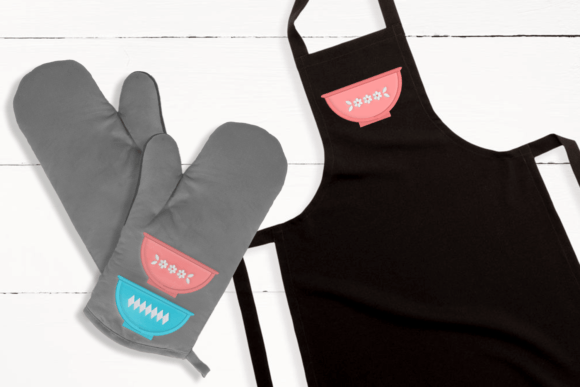
For Etsy seller listings, the duo aspect of this design is a significant advantage. Having both floral and diamond motif options allows you to create bundled listings or offer customization without purchasing new assets. The floral variation leans softer and more romantic, appealing to customers seeking cottage-core aesthetics, while the diamond motif feels more geometric and true to 1960s atomic age design. This versatility means one embroidery file can populate multiple product tags and appeal to different buyer demographics within the same niche.
Production Practicality and Batch Efficiency
From a production standpoint, applique designs are generally superior for batch manufacturing compared to full-fill embroidery. The Vintage Glass Bowl Bakeware Duo Applique likely relies on satin stitch borders and minimal fill, which reduces stitch time and thread consumption. For a small shop owner producing inventory for a weekend show, this efficiency is crucial. You can hoop multiple tea towels or aprons and run them consecutively without excessive machine wear or long production windows. The ability to use each motif separately further enhances workflow flexibility; you can dedicate a morning run to floral bowls on pink linen and an afternoon run to diamond bowls on sage green cotton, maximizing color variety with minimal re-hooping downtime.
Photographing finished goods for online sales is equally important. The clean lines of a glass bowl silhouette photograph beautifully for printable mockup creation and social media marketing. Because the design is object-based rather than text-based, it scales well in thumbnails. Customers scrolling through feeds can identify the subject matter even at small sizes, which improves click-through rates for digital embroidery file promotions or finished item listings. The distinct outline ensures the design does not become a muddy blob in low-resolution previews, a common pitfall with intricate vintage patterns.
Critical Technical Considerations for Quality Results
Despite its apparent simplicity, executing the Vintage Glass Bowl Bakeware Duo Applique professionally requires careful technical attention. Applique designs live or die by their registration. Before committing to a full production run for your booth, you must test the design on scrap fabric identical to your final product. Check specifically for gap issues between the applique fabric and the satin border. If the stitch density is too light, raw edges may fray after washing; if too heavy, the fabric may pucker. Adjusting tension and stabilizer choice based on your specific machine and material is non-negotiable for commercial quality.
Fabric texture plays a massive role in the success of this design. While smooth cotton quilting fabric is ideal, many kitchen products utilize textured waffle weave or terry cloth. These surfaces can swallow fine details. If applying this design to a thick tea towel, consider using a water-soluble topping to keep the satin stitches crisp and visible. Conversely, lightweight muslin may require additional cutaway stabilizer to prevent the bowl shape from distorting during hooping. Always confirm the recommended hoop size before purchasing or stitching; forcing a design into a smaller hoop than intended can distort the aspect ratio of the bowl, making it look squashed rather than authentically vintage.
- Thread Contrast: Vintage glass was often clear, amber, or jadeite. Select thread colors that mimic these translucent hues rather than solid opaque shades to enhance the retro illusion.
- Applique Material: Use pre-washed fabrics for the bowl interior to prevent shrinkage mismatch with the base garment after the first launder.
- Stabilizer Selection: Match stabilizer weight to the base fabric; medium-weight cutaway is usually safest for aprons and tote bags to maintain structural integrity.
- Design Spacing: Ensure adequate margin around the bowl motif, especially on curved surfaces like caps or pouches, to avoid hoop burn or design cutoff.
Strategic Merchandising and Value Perception
The perceived value of an apron embroidery or embroidered patch increases significantly when the design tells a story. The Vintage Glass Bowl Bakeware Duo Applique is not just a picture of a dish; it is a cultural artifact. When displaying these items at a craft fair, group them with actual vintage props or complementary retro textiles to reinforce the theme. This contextual merchandising helps justify premium pricing for commercial embroidery goods. Buyers are paying for the curated aesthetic and the skilled execution, not just the thread count. The dual-option nature of the design also supports upselling; a customer buying a floral tea towel might be enticed to purchase a matching diamond oven mitt as part of a coordinated set.
For those selling the finished product online, clarity in listing descriptions is vital. Explicitly mention the era inspiration (50s, 60s, 70s) to capture search traffic from collectors and retro enthusiasts. Highlight that the design includes two distinct motifs, emphasizing the value proposition. If you are a digital seller offering the design assets themselves, provide clear photos of both variations stitched out on different fabric types. Showcasing real-world applications builds trust with fellow makers who need assurance that the digitizing is sound. Always verify licensing terms regarding commercial use of the embroidery file before scaling production; protecting your business starts with respecting intellectual property rights.
Ultimately, the Vintage Glass Bowl Bakeware Duo Applique represents a smart investment for makers focused on the kitchen and home decor niche. Its blend of nostalgic appeal, production efficiency, and versatile application makes it a reliable performer for both physical craft fairs and digital storefronts. By approaching this design with professional scrutiny—testing thoroughly, selecting appropriate materials, and merchandising strategically—you transform a simple digital file into a tangible asset that drives sales and strengthens your brand identity. Whether stitched onto a linen napkin or featured as a standalone patch, this design carries the warmth of mid-century hospitality that modern buyers continue to seek. Remember to check all specific technical specifications provided by the digitizer before beginning your next collection to ensure consistent, sellable results.