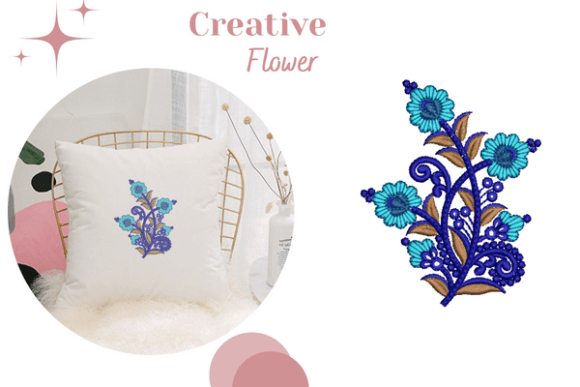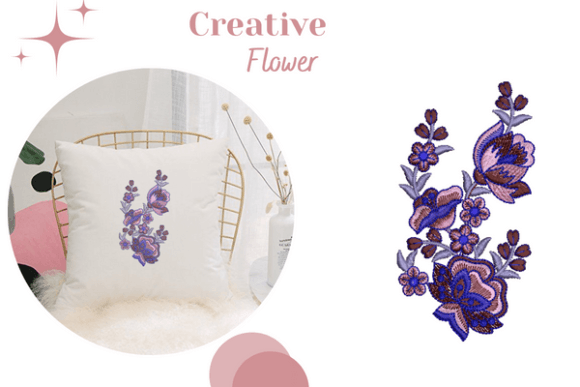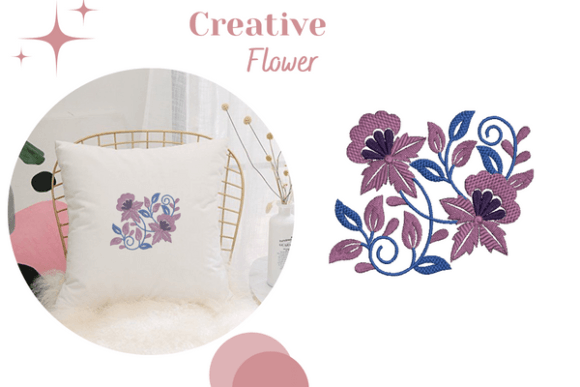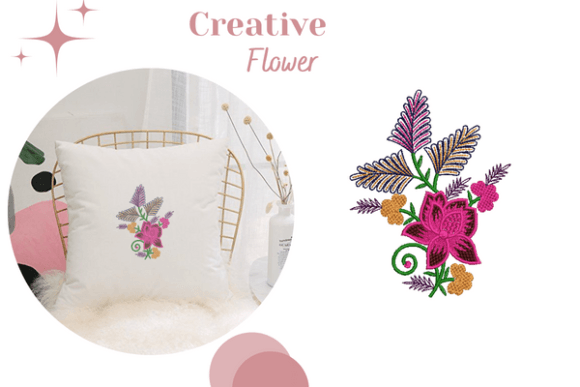
Reviewing A Drawing of a Purple Flower with Green
As an embroidery designer who has digitized and stitched out hundreds of floral motifs, I approach every new machine embroidery design with a critical eye. It is not enough for a graphic to look beautiful on a screen; it must translate into thread without puckering, breaking, or losing its charm. When evaluating A Drawing of a Purple Flower with Green, my primary focus is on how this digital asset performs in real-world production scenarios. This review breaks down the practical application of this design for makers, Etsy sellers, and apparel decorators who need reliable results for their customers.
First Impressions and Visual Character
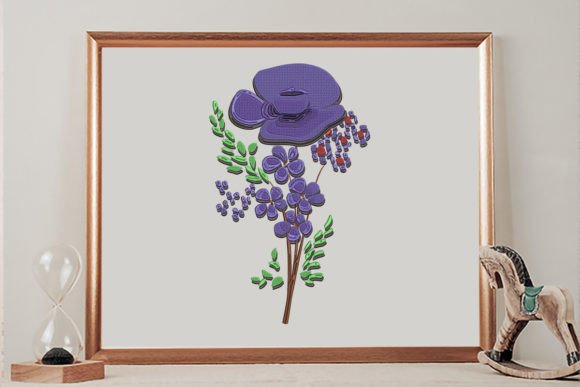
The initial appeal of A Drawing of a Purple Flower with Green lies in its organic balance. Unlike rigid, geometric florals that can sometimes feel dated or overly formal, this design captures a sense of natural movement. The interplay between the purple bloom and the green foliage suggests a hand-drawn aesthetic, which is currently trending in the handmade product market. For a designer, this "sketch-like" quality is a double-edged sword. It offers immense personality, but it also demands careful attention to stitch pathing. If the digitizing relies too heavily on dense fill stitches to create that drawn effect, the fabric may become stiff. However, if executed with a mix of running stitches and lighter fills, it retains the drape necessary for wearable art.
The color palette is versatile. Purple and green are complementary colors, providing high contrast that ensures the design remains visible even from a distance. This visibility is crucial for commercial embroidery projects where brand recognition or gift impact matters. The specific shades used in this embroidery file will dictate its seasonality; deeper purples lean toward autumn and winter collections, while brighter violets suggest spring. As a reviewer, I appreciate that this motif does not rely on neon or overly saturated tones, making it easier to match with standard thread colors from major manufacturers.
Real-World Application: The Custom Tote Bag Test
To truly judge the viability of A Drawing of a Purple Flower with Green, I mentally place it in a specific production scenario. Let us consider a custom canvas tote bag intended for a boutique or craft fair. Tote bags are a staple for any craft business, but they present unique challenges due to the coarse weave of canvas and the lack of stretch.
In this scenario, the design serves as a focal point rather than an all-over pattern. The green elements act as a grounding force, preventing the purple flower from floating aimlessly on the fabric. For a tote bag design, clarity is paramount. Customers browsing a market stall need to recognize the motif instantly. The organic lines of this floral embroidery work exceptionally well here because they soften the utilitarian nature of the bag. If I were stitching this out, I would verify that the satin stitch outlines are wide enough to cover the canvas texture completely. Thin satin stitches on coarse fabrics often result in the fabric showing through, which lowers the perceived value of the finished product. Assuming the digitizer has accounted for this pull compensation, A Drawing of a Purple Flower with Green transforms a generic blank into a premium personalized gift.
Fabric Compatibility and Technical Constraints
While this design shines on stable woven fabrics like canvas, denim, or twill, caution is required when applying it to other textiles. Every embroidery project requires matching the design density to the fabric weight.
- Stretchy Knits and Sweatshirts: If you plan to use this for sweatshirt embroidery or baby clothes, you must assess the stitch density. Floral designs with heavy fill areas can cause knit fabrics to pucker or distort. Always use a cut-away stabilizer and consider adding a water-soluble topping to prevent stitches from sinking into the fleece or jersey.
- Sheer and Lightweight Fabrics: On voile, lawn, or lightweight linen, the green foliage sections might be too dense. In these cases, test the design on scrap fabric first. You may need to reduce the density by 10-15% in your machine software to maintain the fabric's drape.
- Curved Surfaces: Using this design on caps or curved sleeves requires careful placement. Ensure the horizontal span of the flower fits within the usable area of your cap frame. Designs with wide, sweeping green stems can sometimes push against the seams of structured hats, causing registration issues.
For dark fabrics, verify that the digital embroidery file includes adequate underlay. Without proper underlay, the purple thread may get lost against black or navy material, and the green leaves might appear muddy. High-quality digitizing accounts for this, but as a maker, you should always run a test stitch-out on the actual garment material before committing to a full production run.
Elevating Product Value and Customer Trust
Why does the technical execution of A Drawing of a Purple Flower with Green matter to your bottom line? Because stitch quality directly correlates to customer trust. When a buyer receives an embroidered patch or a tea towel where the flower looks crisp and the leaves lie flat, they perceive professionalism. Sloppy registration, exposed fabric, or bulletproof stiffness signals amateur work.
This specific floral motif supports higher price points because of its artistic nuance. Generic clip-art flowers are a commodity; a design that mimics a botanical drawing feels exclusive. For Etsy sellers and small shop owners, this distinction allows you to market your items as "boutique quality" rather than mass-produced. Furthermore, the gender-neutral balance of the purple and green makes it suitable for a wider demographic, increasing its utility across different product categories from nursery decor to kitchen linens.
Essential Designer Notes for Success
Before loading this embroidery file into your machine, adhere to these professional best practices to ensure your success:
- Verify Specifications: Since exact stitch counts, hoop sizes, and licensing terms vary by vendor, always check the product details provided with A Drawing of a Purple Flower with Green. Confirm that the size fits your intended project and that your license covers commercial use if you are selling finished goods.
- Mockup Testing: Use printable mockups or digital preview software to visualize the scale. A flower that looks perfect at 4x4 inches might overwhelm a baby bib or look lost on a large apron. Adjusting scale digitally saves time and thread.
- Thread Color Validation: Do not rely solely on the screen representation. Pull physical thread samples to see how the purple and green interact under natural and artificial light. Sometimes a variegated thread can enhance the "drawing" effect better than a solid color.
- Stabilizer Selection: Match your stabilizer to the end-use. Washable items like tea towels require wash-away or tear-away stabilizers that leave no residue. Permanent items like framed art or patches can handle heavier cut-aways for maximum stability.
- Licensing Compliance: If you intend to sell this as part of a digital bundle or use it for print-on-demand products, strictly review the creator's terms. Respecting intellectual property protects your business reputation.
Ultimately, A Drawing of a Purple Flower with Green represents a valuable asset for the creative entrepreneur. Its blend of artistic style and botanical familiarity makes it a strong candidate for various applications, provided the maker respects the technical requirements of machine embroidery. By approaching this design with a professional mindset—testing, adjusting, and validating—you ensure that the final stitched result honors both the original artwork and your own craftsmanship. Whether embellishing a holiday gift or building a cohesive collection for your shop, this floral design offers the versatility and charm necessary to engage buyers and elevate your portfolio.