Circular Motif Embroidery Design: A Designer’s Review for Small Business Branding
First Impressions: Elegant, Classic, and Versatile for Branding
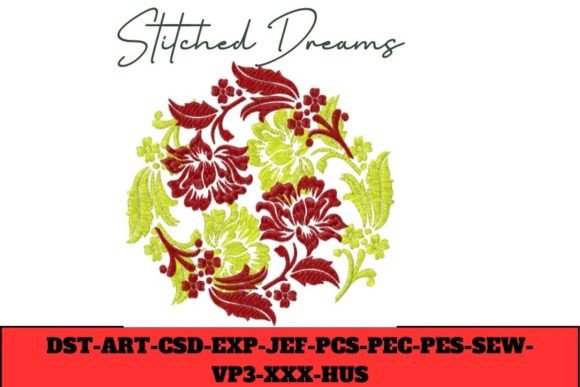
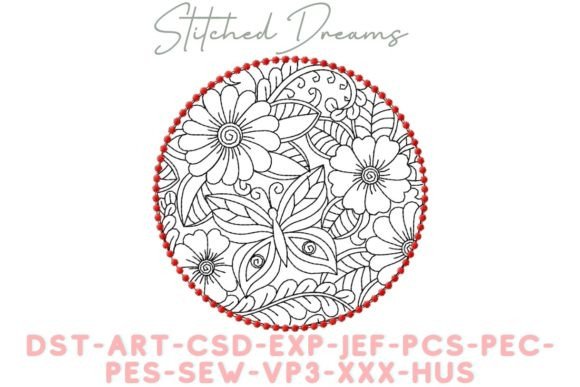
As an experienced embroidery designer, the Circular Motif Embroidery Design immediately caught my eye. The description of a stunning circular shape adorned with intricate decorations and a delicate central floral arrangement suggests a design that’s both elegant and timeless. This digital embroidery file feels premium and classic—perfect for small businesses looking to elevate their brand through embroidered merchandise.
Its detailed floral center hints at a level of craftsmanship that can translate well into a variety of commercial embroidery applications, from boutique apparel to embroidered patches and product labels. It gives off a professional yet approachable vibe, making it a strong contender for brands in the café, florist, handmade, or artisan sectors.
Real-World Business Use: From Caps to Tote Bags and Branded Patches
When evaluating the Circular Motif Embroidery Design for real-world use, I considered how it might translate across a range of branded merchandise. Here's how it stacks up:
- Embroidered patches – The circular format is ideal for patch creation, offering a natural border that frames the design beautifully. This makes it a great fit for Etsy sellers or crafters creating custom patches for resale or use on garments.
- Staff uniforms and aprons – The motif’s central floral arrangement could serve as a tasteful chest logo accent. It’s elegant enough for boutique cafes or artisan bakeries while remaining professional.
- Cap embroidery – The circular nature of the design makes it a natural fit for cap fronts. However, the level of detail in the floral center will need to be tested at smaller sizes to ensure clarity.
- Tote bags and work shirts – This machine embroidery design works well as a focal point on tote bags or as a subtle sleeve detail on uniforms. It adds a touch of sophistication without overwhelming the garment.
- Product packaging accents and customer gifts – When used on small embroidered tags or pouches, this design can elevate the presentation of handmade products or curated gift sets.
Where to Use It Carefully: Fabric, Size, and Stitch Density Considerations
While the Circular Motif Embroidery Design has a lot going for it, there are some practical considerations for embroidery shops and small business owners:
- Small patch sizes – The intricate floral details at the center may not translate well when scaled down. Always test the design at the intended size before production.
- Cap fronts and curved surfaces – The design’s detail may flatten or distort slightly on curved areas. A test run on a sample cap is highly recommended.
- Dark fabrics – The elegance of the floral arrangement could be lost on darker materials. Consider thread color contrast and underlay stitches to maintain visibility.
- High stitch density – The detailed decorations may create a high stitch count, which can lead to stiffness or puckering on lightweight fabrics. Check spacing and adjust as needed.
- Textured fabric types – Fabrics like denim or felt may affect how the embroidery lays. Always test on the actual material before bulk production.
Brand Identity Impact: Elevating Your Visual Consistency
Choosing the right embroidery file is about more than aesthetics—it's about brand identity. The Circular Motif Embroidery Design offers a sense of professionalism and attention to detail that can significantly boost customer trust and recognition.
When used consistently across uniforms, tote bags, and product packaging, this design becomes a visual anchor for your brand. It conveys a handmade presentation with a touch of luxury, which is especially valuable for Etsy sellers, local boutiques, and creative studios aiming to stand out in a competitive market.
Its classic appeal ensures it won’t go out of style quickly, making it a smart long-term asset for visual consistency across your merch and promotional items. The circular shape also lends itself well to logo integration, allowing for a cohesive brand look across digital and physical assets.
Practical Notes for Embroidery Designers and Merch Creators
Before using the Circular Motif Embroidery Design in a commercial setting, here are some key steps I recommend taking:
- Test in black and white first – This helps identify any issues with contrast and detail visibility before committing to color threads.
- Check small patch size compatibility – Ensure the floral center remains legible when scaled down for patches or labels.
- Review thread color contrast – Especially on dark or textured fabrics, proper thread selection is crucial for maintaining design clarity.
- Inspect spacing and stitch density – Adjust if necessary to avoid stiffness or puckering on delicate fabrics.
- Confirm hoop size and stabilizer use – Use the appropriate hoop and stabilizer for the fabric type to ensure clean, consistent stitching.
- Test on real fabric – Always run a sample on the actual garment or material to evaluate performance.
- Create a printable mockup – Share a visual preview with clients or team members to get approval before stitching begins.
- Compare with other design assets – Make sure it aligns with your existing brand assets and other embroidery files in terms of style and scale.
- Confirm commercial licensing – Ensure the digital embroidery file allows for commercial use before applying it to merchandise for sale.
Final Thoughts: A Versatile Embroidery File Worth Testing
The Circular Motif Embroidery Design is a versatile and elegant choice for small business owners and embroidery professionals alike. Whether you're creating custom apparel, embroidered patches, or branded product tags, this design offers both visual appeal and practical flexibility.
With a little testing and thoughtful application, it can become a signature element of your brand identity—elevating your merchandise and reinforcing a sense of professionalism and craftsmanship. As with any embroidery file, attention to detail during the review and testing process will ensure the best possible outcome for your finished product.