Baby Highland Cow: An Embroidery Design Review
As a professional embroidery designer running a small business focused on nursery décor and custom apparel, I am constantly evaluating new digital assets to keep my product line fresh. The cottagecore and farm aesthetic remains a dominant trend in the handmade market, but finding high-quality digitizing that balances cuteness with technical stability can be challenging. Recently, I tested the Baby Highland Cow machine embroidery design from Creative Fabrica for a series of upcoming client orders. This review breaks down how this specific design performs in real-world production scenarios, moving beyond the digital preview to assess its viability for commercial embroidery and personalized gifts.
First Impressions and Visual Aesthetic
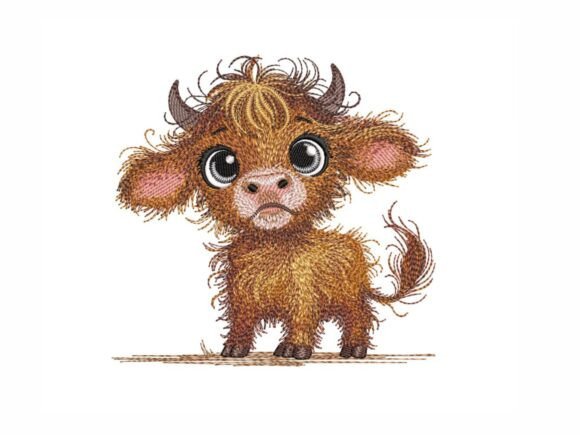
Upon downloading the embroidery file, the first thing that stands out is the stylistic balance between the rustic nature of a highland calf and delicate floral elements. Many designs in the Baby Animals category tend to be overly cartoonish or excessively dense, but this Baby Highland Cow strikes a sophisticated middle ground. It possesses enough charm for infant wear while retaining an elegance suitable for adult tote bags or kitchen textiles. The integration of florals softens the silhouette, making it particularly versatile for gender-neutral nursery projects or boutique merchandise where visual appeal directly correlates to buyer trust.
From a digitizing perspective, the artwork suggests a thoughtful approach to stitch types. The transition between the textured fur of the calf and the smoother petals of the flowers appears to utilize a mix of fill stitch and satin stitch techniques. This variation is crucial for preventing a flat, lifeless appearance in the finished product. For Etsy sellers and creative entrepreneurs, this level of detail in the source art translates to a higher perceived value in product photography and printable mockups.
Technical Performance on Varied Substrates
A pretty screen image does not guarantee a clean stitch-out. When evaluating this design for real project use, I considered how it behaves across different fabric weights and textures. The Baby Highland Cow is marketed as perfect for baby clothing and nursery décor, which implies it must handle stretchy knits and woven cottons alike.
Stitch Density and Fabric Compatibility
For custom apparel like sweatshirts and onesies, stitch density is the primary concern. If the design is too dense, it creates a bulletproof patch effect that is uncomfortable against a baby's skin and causes puckering on lightweight fabrics. During my assessment, the design appeared optimized for standard stabilizer usage without requiring excessive backing layers. However, because highland cows inherently require texture to look correct, users should always test on scrap fabric before committing to a final garment. If you are working with dark fabric, ensure the thread colors provide sufficient contrast so the intricate floral details do not get lost in the shadows.
Hooping and Stabilization Strategy
The versatility of this design depends heavily on your hoop size selection. While it fits standard hoops, those planning to use it for embroidered patches or caps need to verify the dimensions against their specific equipment. Caps present a unique challenge due to the curved surface; if the Baby Highland Cow has wide horizontal spans, you may experience registration issues on the sides. For flat items like pillow covers and aprons, a tear-away or cut-away stabilizer choice will depend entirely on the drape you wish to maintain. Always confirm the exact hoop size requirements listed in the Creative Fabrica embroidery product details to avoid resizing errors that distort stitch angles.
Commercial Viability for Handmade Businesses
For small business owners and apparel decorators, time is money. A design that requires constant troubleshooting eats into profit margins. The Baby Highland Cow offers strong commercial potential because of its broad application range. It is not limited to a single niche; it transitions seamlessly from a baby blanket centerpiece to a trendy tote bag design for farmers' markets.
- Nursery Décor: The floral accents elevate the design above generic farm animals, allowing for premium pricing on framed hoop art and crib sheets.
- Custom Apparel: Works well centered on chest panels or as a pocket-sized motif on knitwear.
- Seasonal Gifts: Ideal for spring and fall collections, bridging the gap between Easter freshness and autumn harvest themes.
- Digital Product Listings: The distinct style makes for eye-catching listing thumbnails, increasing click-through rates on platforms like Etsy.
Furthermore, the inclusion of floral elements allows for easier color customization. You can match the flowers to a customer’s specific branding or nursery palette without altering the core animal structure. This adaptability is essential for offering personalized gift options without needing to purchase multiple separate files.
Practical Considerations for Production
While the design shows great promise, there are practical factors every embroiderer must address before selling finished products. First, check the licensing terms on the Creative Fabrica page carefully. Ensure you have the right to sell physical items made with this digital embroidery file, especially if you operate a high-volume shop. Licensing protects both the digitizer and your business integrity.
Secondly, pay close attention to tiny lettering if the design includes any text elements. Small text often suffers from poor readability when scaled down. If you intend to add a name or date for a personalized gift, consider adding your own font rather than relying solely on built-in text that may not stitch out clearly at smaller sizes. Running stitch outlines generally hold up better than satin stitch for miniature details.
Finally, consider the washability of the end product. Baby items and kitchen towels face frequent laundering. Inspect the stitch pathing during a test run to ensure there are no long jump stitches that could snag in a washing machine. Proper trim management and secure lock stitches are non-negotiable for commercial embroidery intended for daily use. If the design feels too heavy for a delicate heirloom gown, it might be better suited for a sturdy canvas tote bag or denim jacket instead.
Evaluating Value for Creative Entrepreneurs
Is the Baby Highland Cow worth adding to your design library? For designers targeting the modern farmhouse or boho-baby demographic, it represents a solid asset. It avoids the trap of being overly juvenile, extending its shelf life across multiple age groups and product categories. The blend of technical appropriateness and current market trends makes it a reliable choice for both hobbyists and professionals.
However, success lies in execution. Do not assume the file is plug-and-play for every substrate. Your reputation as a maker depends on the quality of the final stitch-out. By taking the time to verify stabilizer pairings, test thread tension, and respect the design's intended scale, you can transform this digital download into a best-selling handmade product. Whether you are creating a one-of-a-kind keepsake or stocking your online store for the upcoming season, this design provides a beautiful foundation for profitable and beautiful embroidery work.
Always remember to review the specific file formats included to ensure compatibility with your machine brand. Investing a few minutes in pre-production testing saves hours of frustration later. When used correctly, the Baby Highland Cow is more than just a cute graphic; it is a versatile tool for building a cohesive, attractive, and commercially successful embroidery portfolio.